Bathroom Remodeling Lexington KY is one of the most rewarding home improvement projects a homeowner can undertake. While kitchens often receive the spotlight, bathrooms are equally essential to daily comfort, functionality, and long-term property value. A well-designed bathroom balances efficient layout, strategic lighting, and carefully selected fixtures to create a space that feels both practical and luxurious. However, achieving this balance requires thoughtful planning rather than impulsive design decisions. By focusing on layout optimization, layered lighting, and fixture selection, homeowners can ensure their investment delivers both immediate satisfaction and lasting value.
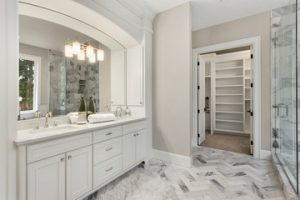
The foundation of any successful bathroom remodel begins with the layout. Before selecting tile patterns or paint colors, it is essential to evaluate how the space functions. A poorly planned layout can result in cramped movement, inefficient storage, or awkward fixture placement. The goal is to create a natural flow that supports daily routines. Start by assessing the existing plumbing locations, door swing direction, and available square footage. While relocating plumbing lines can enhance layout flexibility, it may significantly increase costs. For budget-conscious renovations, maintaining the current plumbing footprint often allows for improvements without major structural changes.
An effective bathroom layout prioritizes accessibility and comfort. There should be adequate clearance around the toilet, sink, and shower to ensure ease of movement. For shared bathrooms, double vanities can enhance convenience during busy mornings, while in smaller spaces, wall-mounted sinks or floating vanities can create the illusion of openness. Storage should also be integrated thoughtfully into the design. Built-in niches within showers, recessed medicine cabinets, and vertical shelving maximize functionality without consuming valuable floor space. By considering how the bathroom is used daily, homeowners can design a layout that improves both comfort and efficiency.
Beyond functionality, the layout should reflect the desired atmosphere of the bathroom. Some homeowners envision a spa-inspired retreat, while others prioritize streamlined minimalism. Placement of the bathtub, shower enclosure, or vanity can influence how spacious and inviting the room feels. Glass shower enclosures, for example, open up visual sightlines and allow natural light to flow freely. Freestanding tubs can serve as focal points in larger bathrooms, while compact shower stalls may better suit smaller areas. Every layout decision should support the intended aesthetic while maintaining practical usability.
Lighting is another critical component of bathroom remodeling that is often underestimated. Proper lighting enhances safety, functionality, and ambiance simultaneously. Bathrooms typically require a layered lighting approach, combining ambient, task, and accent lighting. Ambient lighting provides overall illumination, usually through ceiling-mounted fixtures or recessed lights. Task lighting is essential around mirrors and vanities, ensuring adequate brightness for grooming activities such as shaving or applying makeup. Accent lighting, such as LED strips under cabinets or behind mirrors, adds dimension and visual interest, elevating the overall atmosphere of the space.
When planning bathroom lighting, placement and color temperature are crucial considerations. Lighting fixtures positioned directly above the mirror can cast unflattering shadows, whereas fixtures placed at eye level on either side of the mirror provide even, balanced illumination. Choosing bulbs with a natural white color temperature enhances visibility and creates a clean, refreshing feel. Dimmers are also a valuable addition, allowing homeowners to adjust brightness according to time of day or mood. For example, bright lighting is ideal for morning routines, while softer illumination contributes to relaxation during evening baths.
Natural light, when available, should be maximized in a bathroom remodel. Windows, skylights, or frosted glass panels can significantly improve the sense of openness and reduce reliance on artificial lighting. Privacy considerations must be balanced with the desire for brightness, especially in bathrooms facing neighboring properties. Frosted glass, textured window treatments, or strategically placed partitions allow light to enter while maintaining discretion. Incorporating natural light not only enhances aesthetics but can also improve energy efficiency over time.
Fixture selection plays a pivotal role in shaping the style and functionality of the remodeled bathroom. Fixtures include sinks, faucets, showerheads, bathtubs, toilets, and hardware such as towel bars and drawer pulls. Selecting fixtures should involve both design compatibility and performance considerations. For example, a sleek wall-mounted faucet pairs well with a contemporary vanity, while a widespread faucet with detailed handles may complement a more traditional aesthetic. Consistency in finish—whether brushed nickel, matte black, or polished chrome—creates visual cohesion throughout the space.
When choosing major fixtures, durability and efficiency should guide decision-making. Modern toilets and showerheads often feature water-saving technologies that reduce consumption without compromising performance. Energy-efficient ventilation fans improve air circulation and prevent moisture buildup, protecting walls and ceilings from long-term damage. Investing in high-quality materials for sinks and bathtubs ensures longevity, reducing the need for repairs or replacements in the future. By prioritizing quality over trend-driven impulse purchases, homeowners protect their investment and enhance overall satisfaction.
Storage fixtures deserve special attention during the remodeling process. Vanities with built-in drawers, pull-out organizers, and hidden compartments increase usability while maintaining a clean aesthetic. Medicine cabinets with integrated lighting combine practicality and style. Floating shelves or ladder-style towel racks can add visual interest without overwhelming the space. Thoughtful fixture selection ensures that storage solutions are seamlessly integrated into the design rather than appearing as afterthoughts.
Two essential planning considerations can help homeowners navigate the remodeling process effectively:
- Balance Design with Practicality – While aesthetics are important, fixtures and layout decisions should prioritize daily functionality. Evaluate how each choice will perform over time, considering cleaning requirements, durability, and accessibility.
- Plan for Future Needs – Anticipate changes in household requirements, such as aging-in-place considerations or increased storage demands. Installing grab bar reinforcements behind walls, selecting slip-resistant flooring, or opting for comfort-height toilets can enhance long-term usability.
Material coordination further enhances the success of a bathroom remodel. Tiles, countertops, cabinetry finishes, and fixtures should complement one another to create a unified look. Neutral color palettes tend to offer timeless appeal, while subtle accents in tile patterns or hardware finishes can add personality without overwhelming the design. High-moisture environments demand materials that resist warping, staining, and mildew. Porcelain tiles, quartz countertops, and moisture-resistant paint are practical choices that maintain their appearance over time.
Budget planning is another integral part of bathroom remodeling. Establishing a clear budget from the outset allows homeowners to allocate resources effectively among layout modifications, lighting upgrades, and fixture selection. Structural changes and plumbing relocations typically represent significant expenses, so careful consideration should be given to their necessity. Setting aside a contingency fund of approximately 10 to 15 percent ensures that unexpected issues, such as hidden water damage or outdated wiring, can be addressed without derailing the project. Transparent communication with contractors and suppliers further prevents misunderstandings and cost overruns.
Professional guidance can streamline the remodeling process and improve outcomes. Experienced contractors, designers, and electricians understand building codes, safety standards, and installation best practices. Their expertise ensures that lighting wiring is properly secured, plumbing connections are leak-free, and fixtures are installed with precision. While some cosmetic updates may be suitable for DIY efforts, complex tasks such as electrical work or structural modifications require skilled professionals to guarantee safety and durability.
In conclusion, planning a bathroom remodel requires a comprehensive approach that integrates layout optimization, layered lighting, and thoughtful fixture selection. Each element contributes to the overall functionality, comfort, and aesthetic appeal of the space. By prioritizing efficient layout design, maximizing both natural and artificial lighting, and selecting durable, cohesive fixtures, homeowners can transform their bathrooms into well-balanced environments that enhance daily routines and increase property value.
A successful remodel is not defined solely by visual appeal but by how seamlessly the space supports everyday life. Careful planning, attention to detail, and a commitment to quality ensure that the bathroom remains stylish, practical, and resilient for years to come. Whether creating a compact guest bath or a luxurious primary suite, homeowners who approach the process strategically will maximize their investment and enjoy a space that feels both thoughtfully designed and enduringly functional.