Water damage can strike without warning, turning a normal day into a stressful and overwhelming situation. Whether caused by burst pipes, appliance malfunctions, roof leaks, or severe storms, water intrusion has the potential to damage flooring, walls, ceilings, personal belongings, and structural components within hours. The first 24 hours following a water-related incident are critical. The actions taken during this window often determine whether the damage remains manageable or escalates into costly structural repairs and mold remediation. Understanding emergency Water Damage Restoration Utah and knowing exactly what to do in the first 24 hours can significantly reduce long-term consequences and protect your property investment.
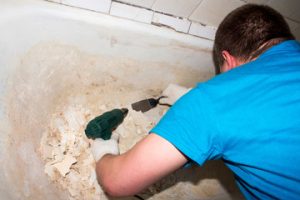
The moment water enters a home or commercial building, deterioration begins. Porous materials such as drywall, insulation, carpet, and wood absorb moisture rapidly. Within minutes, water spreads horizontally and vertically, seeping into hidden cavities and structural voids. Within a few hours, swelling, warping, and staining become visible. If moisture remains unaddressed, microbial growth can begin developing in as little as 24 to 48 hours. This is why emergency water damage restoration focuses heavily on rapid response, moisture extraction, and controlled drying. Acting decisively in the early stages minimizes permanent structural compromise and reduces the likelihood of secondary damage.
The first step in any water damage scenario is ensuring safety. Water intrusion often introduces electrical hazards, contamination risks, and structural instability. Before entering an affected area, it is essential to evaluate whether it is safe to do so. If water levels are high or near electrical outlets and appliances, power should be shut off at the breaker panel if it is safe to access. Avoid standing water if there is any uncertainty about electrical exposure. Safety must always come before salvage efforts. Additionally, if the water source is contaminated, such as sewage backup or floodwater, protective gear, including gloves and boot,s should be used to prevent direct contact.
After confirming safety, the next priority in emergency water damage restoration is stopping the source of water intrusion. As long as water continues to enter the property, restoration efforts will be ineffective. This may involve shutting off the main water supply, repairing a leaking appliance hose, or temporarily covering a damaged roof area to prevent further infiltration. Controlling the source immediately prevents the damage from spreading and reduces the volume of water that must be removed.
Once the source has been addressed, rapid water removal becomes critical. Standing water accelerates material saturation and increases the likelihood of mold growth. Using pumps, wet vacuums, or professional extraction equipment can significantly reduce water volume. While homeowners may attempt to remove small amounts of water with basic tools, professional emergency water damage restoration services utilize industrial-grade extraction systems that remove water more efficiently and thoroughly. The faster the water is extracted, the greater the chance of preserving flooring, drywall, and structural components.
During the first 24 hours, time management is essential. The following immediate actions can significantly reduce long-term damage:
- Remove excess water as quickly as possible using pumps or wet extraction tools.
- Relocate furniture, rugs, and personal belongings away from wet areas to prevent further absorption.
- Promote airflow by opening windows, using fans, and increasing ventilation if weather conditions allow.
- Begin documenting damage for insurance purposes through photos and written records.
These steps create a foundation for successful restoration and prevent additional complications.
After visible water has been removed, attention must shift to moisture trapped within building materials. Water does not remain confined to the surface; it penetrates deeply into subflooring, wall cavities, insulation, and structural framing. Even when surfaces appear dry, hidden moisture can linger and create long-term problems. Professional emergency water damage restoration includes the use of moisture meters and thermal imaging tools to detect concealed water pockets. Identifying these hidden areas early prevents future issues such as warped flooring, peeling paint, and structural weakening.
Drying is not simply a matter of placing a few fans in the room. Effective structural drying requires strategic placement of air movers and dehumidifiers to create controlled airflow and evaporation. Industrial dehumidification systems extract moisture from the air, accelerating the drying process and preventing humidity from reabsorbing into materials. The goal during the first 24 hours is to begin stabilizing moisture levels and halt further deterioration. The sooner the drying process begins, the less likely materials will need full replacement.
Carpet and padding require special consideration during emergency water damage restoration. While carpet may appear salvageable, the padding beneath it often retains large amounts of water. If left untreated, padding can harbor bacteria and mold growth. In many cases, professionals recommend removing saturated padding while cleaning and drying the carpet separately. Hardwood flooring also demands immediate attention. Water can seep between boards, causing swelling, cupping, or buckling. Prompt drying measures may prevent permanent distortion, but delays often result in irreversible damage.
Another critical component of the first 24 hours is sanitation. Depending on the source of water, contamination levels may vary. Clean water from a broken supply line presents fewer health risks than gray or black water from appliances or sewage systems. Nonetheless, any prolonged moisture exposure can create microbial concerns. Disinfection of affected surfaces helps reduce bacterial growth and prepares the space for safe restoration. Professional water damage restoration teams use specialized antimicrobial treatments to prevent mold spores from colonizing damp materials.
Documentation during the first 24 hours should not be overlooked. Accurate records support insurance claims and provide clarity during the restoration process. Photographs of affected areas, detailed lists of damaged items, and notes regarding the cause of the water intrusion help establish a clear timeline. Insurance providers often require prompt reporting of water damage incidents. Acting quickly ensures compliance with policy requirements and may expedite claim processing.
In addition to immediate mitigation efforts, property owners should evaluate which materials can realistically be restored versus replaced. Some materials, such as non-porous surfaces, can often be cleaned and dried successfully. Others, including heavily saturated drywall or insulation, may require removal to prevent future complications. Making informed decisions early reduces the risk of hidden mold growth and structural deterioration. Professional assessments during emergency water damage restoration provide guidance on which materials are salvageable and which pose long-term risks.
The consequences of inaction during the first 24 hours can be severe. Within this short timeframe, water begins breaking down adhesives, weakening drywall cores, and compromising wood fibers. Mold spores, which are naturally present in indoor environments, require only moisture and organic material to begin colonizing. Once mold growth takes hold, remediation becomes more complex and costly. Acting within the initial window dramatically reduces the likelihood of secondary damage, including structural rot and widespread contamination.
It is also important to understand that emergency water damage restoration is not solely about drying visible areas. Hidden moisture can migrate through building assemblies, traveling behind baseboards and under flooring. Even if surfaces appear dry, elevated humidity levels can sustain microbial growth. Comprehensive restoration addresses the entire affected system, not just the obvious wet spots. Professional services ensure that moisture mapping, structural drying, and sanitation are completed thoroughly.
For property owners wondering when to contact professional water damage restoration services, the answer is simple: as soon as possible. Even minor water incidents can escalate quickly if not managed correctly. Professional teams are trained to respond rapidly, often within hours, bringing advanced equipment designed specifically for emergencies. Their expertise in moisture detection, extraction, and controlled drying significantly increases the likelihood of full recovery without extensive reconstruction.
To summarize, the first 24 hours after water intrusion are decisive. The most important priorities during emergency water damage restoration include:
- Ensuring safety and eliminating electrical hazards.
- Stopping the source of water intrusion immediately.
- Removing standing water as quickly as possible.
- Initiating structural drying and dehumidification.
- Sanitizing affected areas to prevent microbial growth.
- Documenting all damage for insurance and restoration planning.
Each of these actions plays a vital role in minimizing structural damage and preserving property value.
Water damage can feel overwhelming, but a structured and immediate response transforms chaos into manageable recovery. Acting quickly not only protects building materials but also reduces emotional stress and financial strain. Delays compound damage, increase repair costs, and extend downtime for both residential and commercial properties. By understanding what to do in the first 24 hours and partnering with experienced emergency water damage restoration professionals when necessary, property owners can dramatically improve outcomes.
Ultimately, emergency water damage restoration is about speed, precision, and informed decision-making. The faster moisture is controlled and removed, the greater the chance of preserving structural integrity and preventing mold growth. The first 24 hours set the tone for the entire recovery process. Prompt action safeguards your investment, protects indoor air quality, and ensures that your property can return to normal operations as quickly and safely as possible.