Common Concrete Construction Problems and How to Fix Them

Concrete is an extremely durable material, but even it can become damaged over time. Contractors need to know how to identify and solve common problems such as hairline cracks, crazing, discoloration and settlement.

Cracks that are more than 0.25 inches wide are considered structural cracks and need to be addressed as soon as possible. They can lead to more costly repairs and replacements if left untreated. For expert assessment and repair services, contact professionals specializing in concrete Franklin TN.

1. Cracks
Concrete Construction

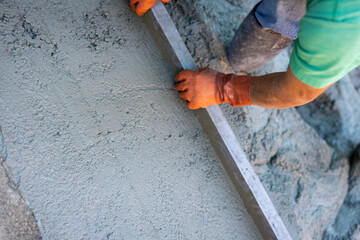
Cracks are a concrete-construction annoyance that can take on different forms and affect concrete strength and appearance. From hairline to broad and widespread, a cracked surface can be unsightly and pose tripping hazards. It’s important for concrete contractors to inspect cracks to assess the severity and underlying causes. When addressing cracks, they look for two things: are the cracks “working?” (i.e., spreading), and what caused them in the first place. Cracks that are not active and have been stable for a while can be repaired with routing, filling, or epoxy injection. In general, cracks that are actively growing or spreading require more extensive repair, including removing and replacing the failed concrete.

Structural cracks affect the stability and integrity of a structure, and are more serious than other types of cracks. They can be caused by excessive loads, improper construction practices, foundation settlement, or temperature changes. These cracks are more likely to widen, requiring immediate attention.

Non-structural cracks include plastic shrinkage cracks, crazing, and shear cracking. These cracks are usually cosmetic, and are less of a concern for commercial projects than structural cracks.

Heaving cracks occur when the ground beneath a concrete slab shifts or swells. This is a common problem in regions with extreme weather conditions, and can cause damage to walls or foundations. Preventing heaving cracks is best done through proper drainage, soil compaction, and installation techniques.

Spalling occurs when the outer layers of a concrete slab break down, exposing the underlying material to moisture penetration. It’s often a sign of improper mix, water retention issues, or poor curing conditions. Preventing spalling requires regular inspections, as well as maintaining a good base grade and ensuring that concrete is not being placed in saturated soil.

2. Scaling

Scaling, or local flaking or peeling of the near-surface layer of concrete or mortar, is a common problem that increases maintenance and repair costs for commercial construction. This is caused by repeated freeze-thaw cycles or by exposure to deicing salts and other chemicals that attack hydration of the concrete. The resulting surface material can be soft, porous, and prone to disintegration.

This issue can occur at the surface or in the interior of the concrete slab. To prevent scaling in the concrete, it is critical to have a well-prepared mix design and proper placement, curing, finishing, and protection practices.

Using an air-entraining concrete mix design helps to reduce the susceptibility of concrete to scaling, as does selecting the right aggregates. Proper water-to-cement ratios, adequate consolidation, and consistent placement of the concrete are also important. Including a bleed water barrier and avoiding over-troweling during finishing help to keep the surface layer strong.

If the issue is due to settling or sinking slabs, raising them with concrete leveling can address puddling problems and redirect water away from the areas that pool. If water pooling is caused by the way the concrete was originally poured and finished, it may be possible to fill in low spots with a self-leveling concrete compound or concrete patch.

Another potential cause of scaling is poor curing practices, which can result in insufficient hydration of the surface layer. Adopting good curing methods helps maintain moisture levels, preventing rapid drying that can lead to surface damage and a weak surface. Use of breathable concrete sealers like SpecRez and Cure & Seal 25 can further improve concrete performance by protecting it from moisture and deicing salts.

3. Efflorescence

Concrete is a great building material for a wide variety of applications including driveways, sidewalks, parking lots and more. However, just like many other building materials it isn’t without its flaws. Some of these problems can be caused by improper installation or weather conditions while others simply result from wear and tear. Understanding these common concrete construction issues and the practical solutions to help fix them will ensure a long-lasting, high-quality finish.

Efflorescence is a crystalline deposit of salts that form on the surface of porous materials such as brick, concrete, stucco and stone. These soluble salts are drawn upward by capillary action in the presence of water. Usually white in color, these deposits are visible after the water evaporates. Generally, the presence of efflorescence is an indication that there is moisture intrusion in the material and may be a sign of a leak or other potential problem.

The best way to minimize the risk of efflorescence is to use a high-quality concrete sealer. This will reduce the amount of water that can infiltrate and carry soluble salts to the surface. Providing proper drainage and regrading the soil around the area will also minimize moisture migration.

Another preventive measure is to use a class F fly ash or other pozzolan during mixing. This will help to reduce the amount of calcium hydroxide in the concrete, which is responsible for efflorescence. Also, using a steel trowel to achieve a smoother surface will inhibit the movement of water and therefore reduce the chance of efflorescence.

4. Discoloration

Concrete has become a staple in the construction industry due to its durability and versatility. However, concrete isn’t perfect and there are several issues that can affect the appearance of a concrete slab. Some of these issues can be easily fixed, while others may require more time-consuming steps to resolve. Some of the most common issues that commercial concrete contractors encounter are discoloration, scaling, honeycombing, efflorescence, and settlement.

Various factors can cause discoloration in concrete, such as inconsistent mix proportions, water ratios, and poor quality materials. This issue often presents as dark blotches or mottled discoloration on flatwork surfaces or a gross change in color over a large area of a concrete placement.

There are a few different methods to fix discoloration in concrete, but most involve using chemicals. For example, a chemical treatment that uses hydrochloric acid can be used to remove the discoloration from the surface of the concrete. It is important to note that this method can have a negative impact on the durability of concrete, so it should only be used when necessary.

Other chemicals, such as acetic or phosphoric acids, can also be used to reduce discoloration on concrete surfaces. It is important to follow proper safety protocols when using these chemicals, as they can be very hazardous if not handled correctly. Before using any chemical to treat a concrete slab, it is recommended that a small test patch is performed on an inconspicuous area of the concrete to ensure that it won’t have a negative impact on the integrity of the material.

Keeping your concrete looking its best is essential to the overall success of your construction project. By understanding the most common issues that can affect your concrete’s appearance and knowing how to fix them, you can avoid costly mistakes in future projects.

5. Settlement

Concrete is incredibly durable, but it’s not immune to damage. This is especially true of older concrete, where it’s more common for the underlying soil to shift and cause problems. If you’re seeing widespread popouts and spalls on roadways or sidewalks, it may be time to consider replacing the concrete.

This type of damage is more prevalent in transport-related structures, as their failure can lead to inconvenience for motorists and pedestrians. In addition, these issues can also have major health and safety implications.

The underlying soil plays a major role in the stability of concrete slabs. If the soil foundation is not properly compacted, it can shrink or expand with changes in moisture content, causing the concrete to settle and eventually sink. Erosion caused by poor drainage can also remove soil from underneath the foundation, creating voids and leading to sunken concrete.

There are several ways to repair a concrete slab that has settled, and the appropriate method will depend on the severity of the issue. Mudjacking and polyurethane foam injection are quick processes that can be completed in a few hours, while more extensive repairs with helical or concrete piers can take longer.

There are many hazards associated with concrete construction, from falls to chemical burns. But with proper safety protocols in place and a dedication to quality, these risks can be mitigated. As always, if you have any questions or concerns about safety on the job, contact your local team of concrete professionals for expert advice. They can help you avoid the most common construction problems, so that you’re able to create beautiful and long-lasting concrete structures. Emily Folk is a writer with a background in sustainability and green manufacturing. She writes about green living and environmental issues at her blog Conservation Folks.

Smart Design Choices That Instantly Increase Property Value During Construction

Design decisions made during construction have a lasting impact on how a property looks, feels, and performs over time. While many people focus on finishing touches after a project is complete, the smartest value-boosting strategies actually happen much earlier—during planning, layout development, and material selection. When thoughtful design meets practical construction techniques, the result is a property that not only attracts attention but also delivers long-term functionality and financial return. Understanding which design choices truly matter can help transform a standard build into a high-performing investment.

One of the most effective ways to increase property value is to prioritize versatility. Modern buyers and property owners look for spaces that can adapt to changing needs, whether that means flexible living areas, multipurpose rooms, or seamless indoor-outdoor transitions. Designing with adaptability in mind helps ensure that a property remains relevant even as lifestyles evolve. Instead of following short-lived trends, focusing on timeless layouts and efficient space planning creates a strong foundation that supports both comfort and resale appeal. For more information, go to https://www.coenconstruction.com/.

construction

Open Layouts That Enhance Flow and Perception

Open-concept design continues to influence construction because it makes spaces feel larger and more inviting. Removing unnecessary barriers between key areas allows natural light to travel more freely and improves how people interact within the environment. During construction, planning structural supports carefully can make it easier to achieve open layouts without compromising stability. Thoughtful placement of beams and load-bearing elements allows designers to create wide, unobstructed areas that appeal to modern preferences.

Beyond visual impact, open layouts also improve functionality. They encourage better communication between different parts of a property and make it easier to rearrange furniture or redefine spaces as needs change. However, achieving the right balance is important. Incorporating subtle transitions, such as ceiling variations or built-in shelving, can help define different zones while maintaining an overall sense of openness. These details demonstrate how smart design can enhance both aesthetics and usability at the same time.

Another advantage of open layouts is their influence on perceived value. Spaces that feel bright and spacious often leave a stronger impression, even when the actual square footage remains unchanged. By maximizing visibility and reducing visual clutter, construction projects can create an environment that feels more expansive without significantly increasing costs.

High-Impact Materials That Elevate Perceived Quality

Material selection plays a crucial role in shaping how a property is perceived. Choosing finishes that combine durability with refined aesthetics can instantly elevate the overall impression of a space. For example, engineered surfaces that mimic natural textures offer both visual appeal and practical performance, making them a popular choice for modern construction. During the building phase, integrating these materials into key areas ensures consistency and prevents the need for costly upgrades later.

Smart material choices often focus on long-term maintenance as well as style. Surfaces that resist wear, moisture, or fading maintain their appearance longer, which contributes to a sense of quality and care. Instead of prioritizing flashy finishes, selecting materials with balanced performance helps properties retain value over time. This approach reflects a growing emphasis on sustainability and practicality within the construction industry.

In addition, combining contrasting textures can create a sophisticated look without requiring excessive decoration. Mixing smooth and textured surfaces, or pairing light and dark finishes strategically, adds depth and character to a property. These design techniques demonstrate how subtle details can make a significant impact on perceived value.

Functional Upgrades That Buyers Notice Immediately

Some design features stand out because they improve everyday convenience while enhancing the overall aesthetic. Integrating these elements during construction ensures they feel natural rather than added as an afterthought. Thoughtful planning allows functional upgrades to blend seamlessly into the design, creating spaces that feel cohesive and intentional.

  1. Built-in storage solutions – Custom closets, shelving, and hidden compartments maximize space efficiency while maintaining a clean appearance.
  2. Energy-efficient windows and doors – Well-designed openings improve insulation, reduce noise, and enhance natural lighting.
  3. Flexible lighting systems – Layered lighting plans that include ambient, task, and accent lighting create adaptable environments suitable for different moods and activities.
  4. Durable flooring transitions – Consistent flooring materials across key areas improve flow and give interiors a more unified feel.

These features demonstrate how thoughtful construction decisions can add immediate value by improving both form and function. Instead of relying on decorative upgrades alone, integrating practical solutions during the build phase helps create lasting benefits.

Designing for Natural Light and Visual Comfort

Natural light has a powerful effect on how people perceive space. Properties that feel bright and welcoming often command higher interest because they create a sense of openness and well-being. During construction, strategic placement of windows, skylights, and reflective surfaces can maximize daylight without increasing energy consumption. Aligning openings with the building’s orientation helps ensure that light reaches deeper into interior spaces throughout the day.

Visual comfort extends beyond brightness. Designing with balanced proportions, consistent sightlines, and uncluttered surfaces helps create a calming environment. For instance, aligning cabinetry heights, maintaining symmetrical layouts, and minimizing unnecessary visual breaks can make interiors feel more refined. These subtle design choices may not always be obvious at first glance, but they contribute significantly to how a property is experienced.

Incorporating light-enhancing materials also adds value. Glossy finishes, neutral color palettes, and strategically placed mirrors can amplify natural illumination, making rooms feel larger and more inviting. When these elements are integrated during construction rather than added later, they create a cohesive design that feels intentional and polished.

Outdoor Integration as a Value-Boosting Strategy

Modern construction increasingly emphasizes the connection between indoor and outdoor spaces. Designing patios, decks, or transitional areas during the initial build phase creates a seamless flow that enhances both usability and visual appeal. Large sliding doors, covered outdoor seating areas, and consistent flooring materials can help blur the line between interior and exterior environments.

Outdoor integration also contributes to perceived square footage. Even modest exterior spaces can feel like an extension of the interior when designed thoughtfully. By aligning architectural details and maintaining consistent design language, construction projects can create outdoor areas that feel like natural continuations of the main living space.

Another advantage of outdoor-focused design is its flexibility. Spaces that can accommodate relaxation, dining, or work-from-home setups appeal to a wide range of lifestyles. Including features such as built-in seating or integrated lighting adds functionality while maintaining a clean and cohesive look.

Technology Integration Without Overcomplication

Technology has become an essential part of modern living, but successful construction projects focus on seamless integration rather than overwhelming complexity. Planning for smart systems during the build phase allows wiring, sensors, and controls to remain discreet while enhancing convenience. Features such as automated lighting, climate control, and security systems can increase property value by offering efficiency and customization.

The key to successful technology integration is flexibility. Designing infrastructure that allows future upgrades ensures that the property remains adaptable as technology evolves. Instead of installing overly specific systems, construction projects benefit from versatile layouts that accommodate new innovations without major renovations.

Technology also supports energy efficiency by enabling better monitoring of resource use. Smart thermostats and lighting systems help maintain consistent comfort while reducing unnecessary energy consumption. These benefits contribute to both environmental responsibility and long-term cost savings.

Planning Ahead for Long-Term Durability

Durability is one of the most important factors influencing property value. Design choices that prioritize structural integrity and low maintenance create confidence in the longevity of a space. During construction, reinforcing high-traffic areas, selecting resilient finishes, and ensuring proper ventilation all contribute to a property that ages gracefully.

  1. Reinforced framing and structural support – Strengthening key areas ensures that future renovations can be completed safely and efficiently.
  2. Moisture-resistant materials – Choosing products designed to withstand humidity reduces the risk of damage over time.
  3. Timeless architectural details – Classic design elements maintain appeal even as trends change, helping preserve long-term value.

By focusing on durability during the design phase, construction projects can minimize future repairs and maintain a consistent level of quality. This approach not only protects the initial investment but also enhances overall satisfaction for occupants.

Smart design choices made during construction have the power to transform a property into a lasting asset. By prioritizing open layouts, durable materials, natural light, and functional upgrades, builders and property owners can create spaces that feel modern, efficient, and valuable from the start. The most successful projects balance aesthetic appeal with practical performance, ensuring that every design decision contributes to long-term benefits.

Rather than viewing construction as a series of isolated tasks, approaching it as a cohesive design process allows value to grow naturally throughout the project. Thoughtful planning, careful material selection, and attention to detail help create environments that stand out while remaining adaptable to future needs. When these principles guide construction from the beginning, the result is a property that not only looks impressive but continues to deliver comfort, efficiency, and strong market appeal for years to come.